Declaration of Commerciality
ExxonMobil and QatarEnergy signed a Declaration of Commerciality with Cyprus on 30 June, formally moving the Glaucus and Pegasus offshore gas discoveries from exploration into project development.
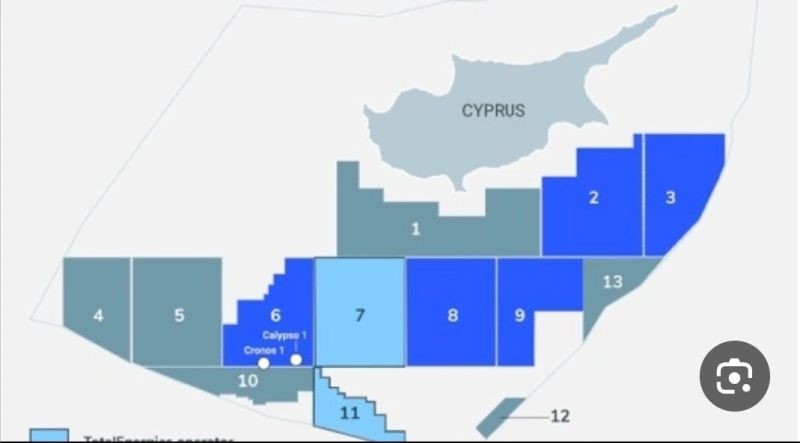
The two fields sit in Block 10 of Cyprus’s exclusive economic zone, operated by ExxonMobil with a 60% stake alongside QatarEnergy’s 40%. Combined, Glaucus and Pegasus are estimated to hold between 7 and 9 trillion cubic feet of gas.
Exxon first flagged the discoveries as strong prospects earlier this year, having originally won the blocks back in 2017, with Glaucus discovered in 2019 and Pegasus following more recently.
ExxonMobil’s vice president for exploration and new ventures, John Ardill, called the declaration a shift “from looking for energy to developing energy,” adding that the company now targets a final investment decision around 2029, with first production envisioned by 2033.
He said Exxon plans to resume drilling later this year under the Pegasus appraisal programme, while also pushing exploration into Blocks 4 and 10A of Cyprus’s waters.
On export routes, Ardill pointed to a subsea pipeline tying the Cypriot fields into existing LNG infrastructure in Egypt as the leading development option, citing established bilateral agreements and infrastructure already in place. He noted that a standalone onshore LNG terminal in Cyprus would require substantially larger reserves than what’s currently been found.
The declaration comes amid a broader wave of activity in Cypriot waters this year, as Eni advances its Cronos field and Chevron progresses with front-end engineering on the Aphrodite discovery, indicating that 2026 could be a pivotal year for transforming the island’s long-discussed gas ambitions into a production hub.
